It happens at the playground, at the lunch table, and in the classroom. Your child comes home quieter than usual. When you ask what’s wrong, they say something that lands hard: “I’m weird. Nobody wants to be my friend.”
Most children go through a phase like this. Sometimes they go through many. When your child feels different, that phase can hit hard. They may feel like they don’t quite fit in. Maybe they have unusual interests. Maybe they look different or act differently. Or maybe they just march to their own beat. Whatever the reason, not belonging is very common in early childhood. And it is one of the most painful feelings kids face.
Here’s what most parenting guides don’t tell you. That feeling of being different, handled well, can become one of your child’s greatest strengths. The way you respond at home shapes what happens next. Your child can grow up ashamed of who they are. Or they can grow up proud of it.
Children as young as three begin noticing differences. They notice appearance, ability, and behavior. By school age, most kids sense who feels “like me.” Feeling like an outsider at some point is nearly universal.
But research shows that how children process those feelings matters a lot. CASEL identifies self-awareness as a foundational social-emotional skill. Self-awareness means understanding your own emotions, values, and identity. Children who build this skill handle peer pressure better. They also build more genuine friendships. And they make more confident decisions, even when they feel like they stand out.
In other words, helping your child appreciate what makes them unique is not just a nice idea. It is one of the most practical investments you can make in their long-term wellbeing.
Watching your child feel left out is hard. The instinct to fix it right away is understandable. Caroline Maguire, M.Ed., is an ADHD coach and the author of Why Will No One Play With Me? She says the first step is simple. Listen.
“Resist the urge to jump in and fix things,” she writes. “Sometimes just being heard is all they need.” (Source)
Here are a few approaches that actually help.
Name the feeling without judgment. When your child says they feel weird or different, don’t rush to correct them. Sit with it instead. Try: “That sounds really lonely. Tell me more about what happened.” This teaches your child that their feelings are safe to share with you. And that keeps the communication open.
Separate the feeling from the fact. Feeling different is not the same as being wrong. Help your child see that difference is not a flaw. It is simply a fact about how humans are built. The world has all kinds of people in it. Most lasting friendships are not built on sameness. They are built on genuine curiosity about each other.
Celebrate what makes them them. Gryphon House, an early childhood education publisher, puts it clearly. When children learn to recognize and respect differences, they build stronger social-emotional skills. They also show more cooperation and form better peer relationships (Source).
That work starts at home, with you. Make a habit of naming specific things you admire about your child. Praise traits, not only achievements. Try lines like these: You notice when other people are sad. You ask questions nobody else thinks to ask. You remember every detail about the things you love.
Find their people. Maguire recommends leaning into special interests as a path to connection. A child who feels out of place in general social settings often thrives in a group that shares their passion. That might be building, drawing, animals, or storytelling. (Source)
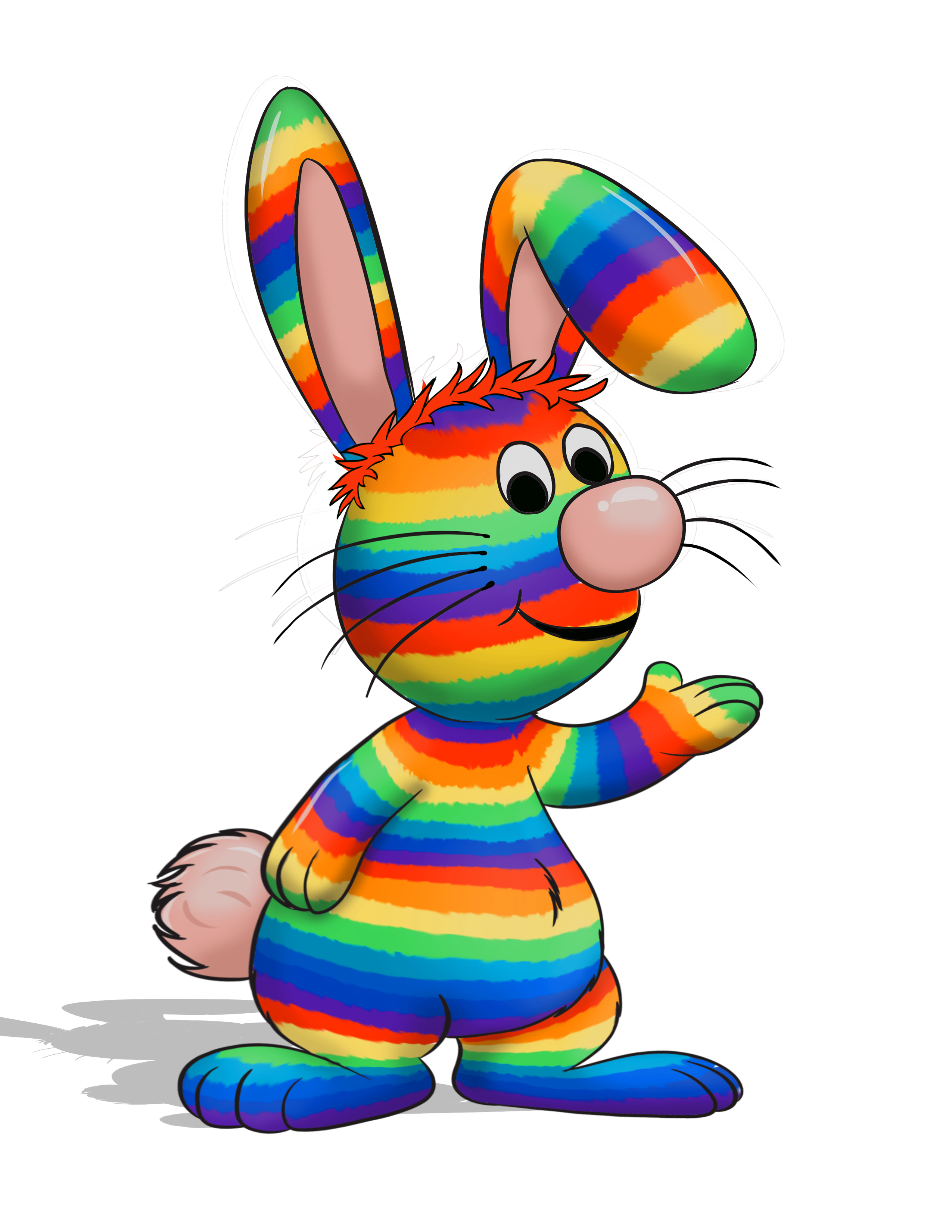
If you want a story that opens this conversation gently, explore the Rainbow Rabbit Storybook.
Children process the world through story first. Conversation comes later. When a child hears about a character who looks or feels different, something shifts. They watch that character find acceptance, friendship, and belonging. Nobody only tells them “it gets better.” They feel it beside a character they care about.
Stories about unique characters do two things at once. They help kids who feel different see themselves as the hero of their own story. And they help other kids meet difference with more curiosity and less judgment.
That kind of empathy does not come from a lecture. It comes from a great story, read together, at the end of a long day.
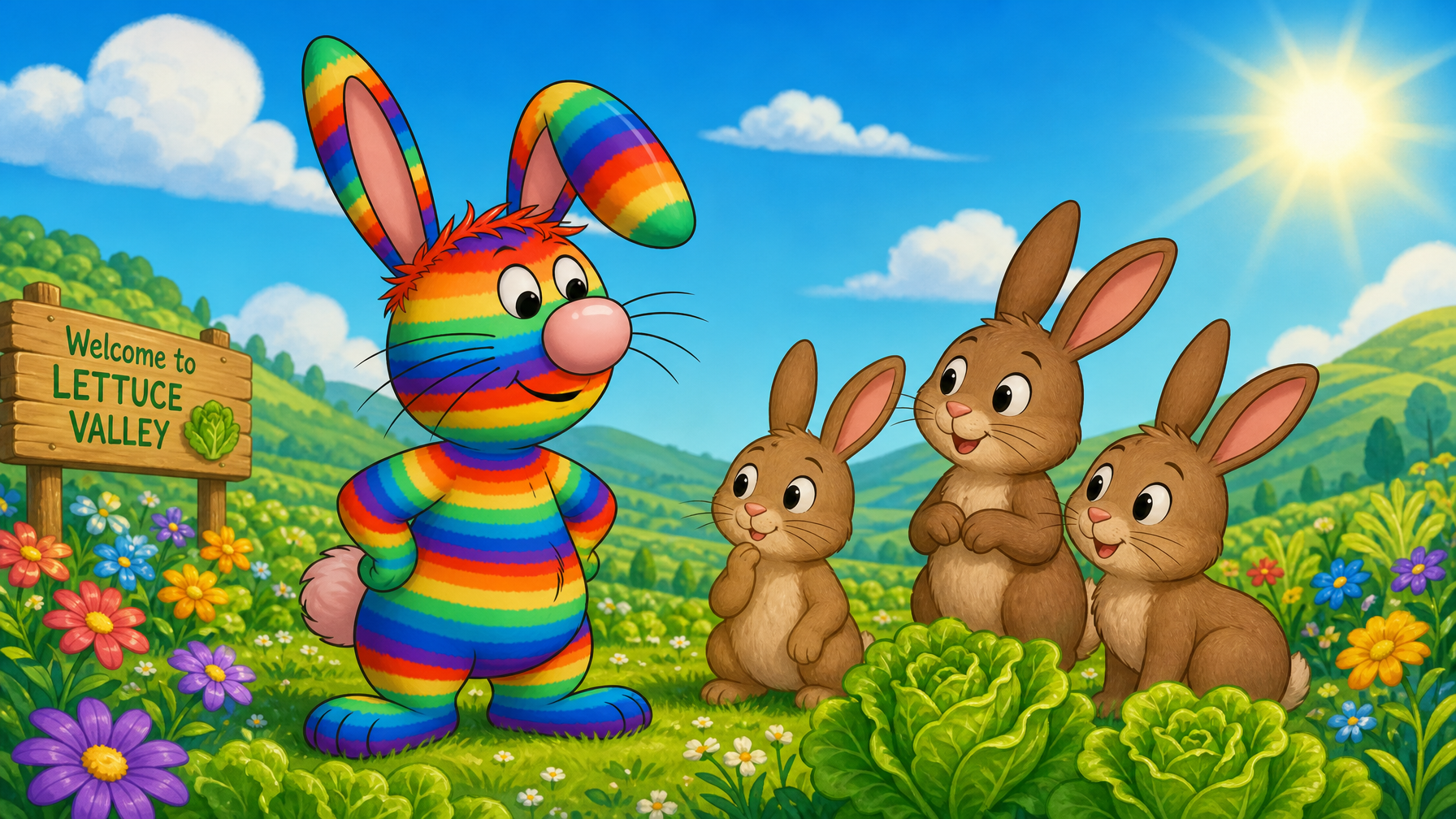
The Rainbow Rabbit Storytelling Coloring Book follows a rainbow-striped rabbit who learns to celebrate what makes him different. A kind princess, a wise king and queen, and a colorful world walk with him. It is a screen-free, hands-on way to talk about kindness, inclusion, and belonging with children in Pre-K through Grade 3.
Grab a copy on Amazon and make storytime the kindest part of your child’s day.