$0.00 0

Cart

No products in the cart.

Our News

Hobbies and the Benefits of Exploration for Kids

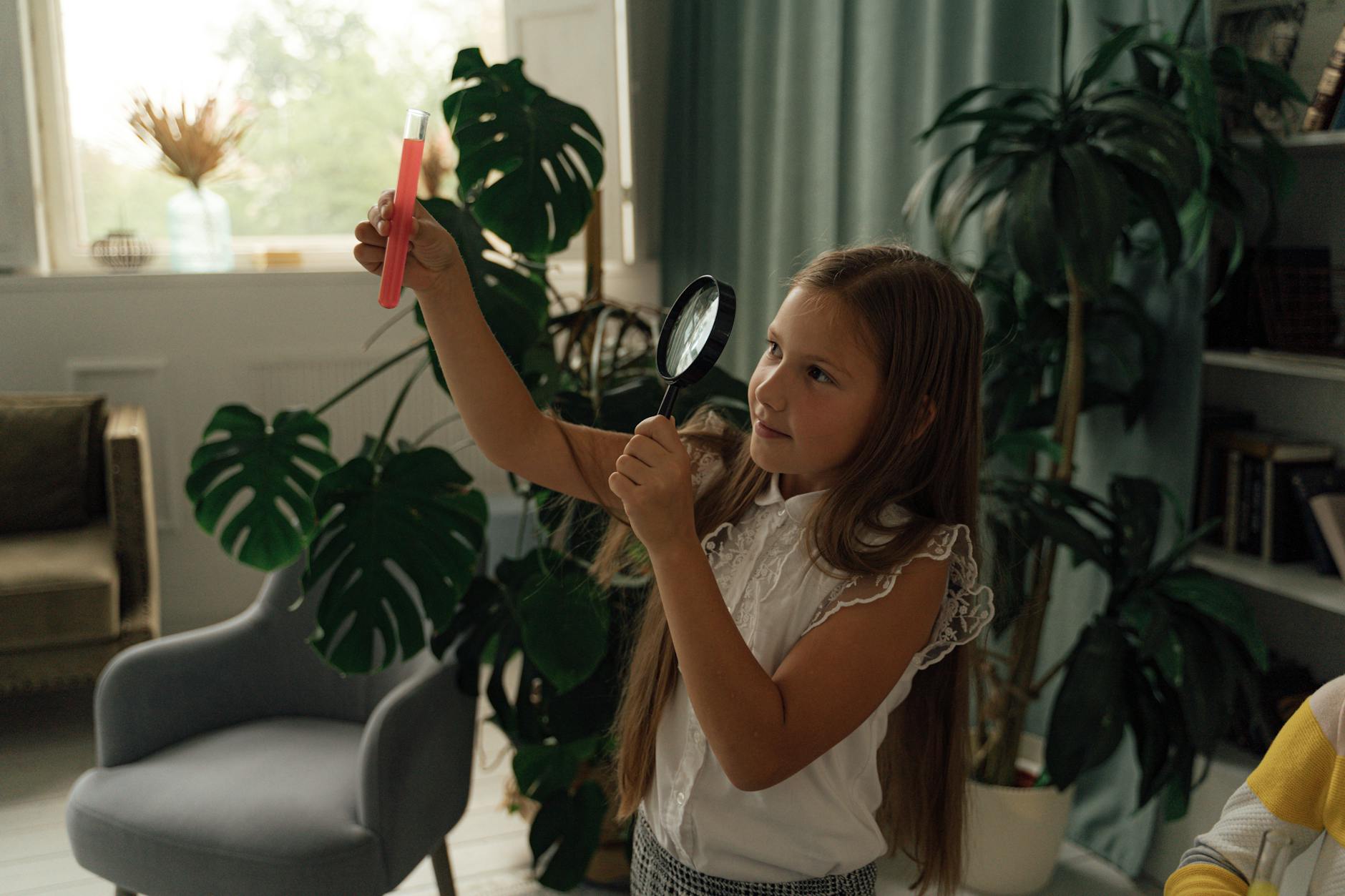
a girl in white blouse observing the chemical on the test tube using a magnifying glass

Parents of young children and the educators who care for them often notice a spark of interest. Then, they feel the pressure to choose the right thing and stick with it. That tension can turn children’s hobbies into a test. Most kids are still learning who they are. They are also figuring out what feels good to try.

Parents can encourage their children with gentle strategies grounded in curiosity. Everyday interests can become a steady source of child development benefits. These benefits range from emotional growth through hobbies to building confidence in small, repeatable steps. The goal isn’t a prodigy or a packed schedule, it’s a child who feels safe to explore.

Why Trying Many Activities Helps Kids Grow

It helps to remember what “exploring hobbies” really does. Each new activity gives your child a mini workout in thinking, relating, imagining, moving, and coping. Over time, those repeats build cognitive development. They improve social skills. They also enhance creative thinking in children. Physical coordination benefits arise from hobbies. Emotional resilience grows through engaging activities.

This matters because confidence often comes from practice, not perfection. When kids get chances to discover new talents without being judged, they learn, “I can try, adjust, and keep going.” That mindset carries into school, friendships, and everyday challenges.

Picture a child who tries a puzzle, then soccer, then painting in the same month. The puzzle stretches focus. Soccer teaches teamwork and body control. Art invites flexible ideas like an original and adaptive production. None has to be “the one” to be valuable.

Pick From 12 Kid-Friendly Hobbies (and What Each Teaches)

When kids try a variety of activities, they’re not just “staying busy”. They’re building coordination, creativity, social skills, and resilience. Each attempt builds these skills one small step at a time. Use this menu to match a hobby to your child’s personality and the confidence skill you want to grow.

  1. Start with a tiny outdoor adventure (nature walks, biking, gardening): Pick one repeatable “outside hobby” and keep it short. Do this for 15 minutes after dinner or one Saturday morning loop. Assign your child a job such as carrying the water bottle, choosing the route, or watering one plant. This will help them feel capable right away. Outdoor hobbies for kids build physical coordination. They also enhance emotional regulation. Bodies calm down when they move and notice the world.
  2. Choose one arts-and-crafts “anchor project” (drawing, collage, clay, origami). Select one main activity. Then set out a small bin with paper, tape, child scissors, and crayons. This will make starting feel manageable instead of a big production. Aim for “mess-friendly masterpieces,” not perfection, hang one creation per week to show effort matters. The at-home arts engagement research connects simple home art time with social-emotional growth. This is exactly what kids need when they’re learning to handle mistakes.
  3. Try music lessons in bite-sized ways (singing, rhythm games, beginner instruments). Before committing to formal music lessons, test music at home first. Use clapping patterns, call-and-response songs, or try 5 minutes of practicing one note sequence. Celebrate “steady practice” more than talent. Music builds focus, listening, and patience in a very concrete way. If your child enjoys it, then a weekly lesson plus a short daily practice routine can feel doable.

RECENT NEWS: Rainbow Rabbit Is Now a Part of the Strong Museum!

  1. Pick a team sport with a friendly goal (soccer, basketball, t-ball, dance team): Start by discussing the benefits of team sports. Talk about character skills. Talk about being a good teammate. Discuss the importance of taking turns. Encourage cheering for others. Mention being a good teammate, taking turns, and cheering for others. Give your child one social mission per practice, like “learn one teammate’s name” or “give one compliment.” This keeps the focus on belonging and confidence, even if they’re still learning the rules.
  2. Use educational games and puzzles as “brain workouts.” This includes jigsaw puzzles, matching games, and logic riddles. Keep a puzzle or game at the table. Make it a 10-minute family habit. Keep it short enough to prevent frustration. Choose the challenge level so your child succeeds about 70% of the time, then let them teach you a strategy. That teaching moment builds cognitive skills and the quiet confidence of “I can figure things out.”
  3. Add a helping hobby (cooking, simple sewing, pet care, volunteering as a family): Pick one practical skill. Ensure it ends with a real contribution. Examples include mixing pancake batter, folding napkins, and filling the pet’s water bowl. Start with two steps, then add one new step each week so progress is visible. A help to their mental health finding reminds us that hobbies can support well-being. Helping hobbies give kids purpose, doubling the benefits.

If you choose just one or two options to try this month, keep them small, repeatable, and easy to praise. A simple routine with the same day and the same time can lead to success. Using the same starter step, it turns “we tried it once” into real growth you can see.

How to Help Kids Start a Hobby and Stick With It

This process helps you move from “we tried it once” to a hobby your child returns to with growing confidence. It’s especially helpful for families and classrooms using accessible, kindness-focused resources. This approach keeps the focus on encouragement, belonging, and small wins.

Building Real Confidence: How Parents Can Help Their Kids Believe in Themselves

  1. Introduce one hobby as a low-pressure “try”
    Start with a short trial window, like two weeks. Offer two choices that feel doable. Choose one active option and one quiet option. Use inviting language such as “Let’s test it” so your child doesn’t feel locked in. This protects confidence, especially for kids who worry about being “good” right away.
  2. Set one tiny goal. Define what “done” means.
    Choose a goal your child can finish quickly. Aim for a duration of 5 to 15 minutes. Some examples include “practice three chords,” “finish one page,” or “shoot five baskets.” Make the finish line visible with a simple checklist or sticker box. Praise effort and kindness. Use phrases like “I noticed you kept going” or “You encouraged your teammate.”
  3. Make the environment friction-free.
    Ensure it is welcoming. Create a ready-to-go setup that takes less than two minutes to start. Examples include a labeled bin, a clear table spot, or a packed activity bag by the door. Add one comfort cue, like a snack, a timer, or a favorite playlist, so practice feels safe and predictable. A calm setup reduces power struggles and helps kids focus on learning.
  4. Schedule practice like a small, steady habit
    Pick the same time cue each day. Choose a cue like “after homework” or “right before dinner.” Keep the routine brief. This increases the likelihood of success. Remember that habit to become automatic can take a while, so consistency matters more than intensity. When motivation dips, shrink the task instead of skipping it.
  5. Set screen rules that protect hobby time
    Choose one clear boundary. This could be screens after hobby time or a daily screen window. Explain this boundary as support, not punishment. Use screen time limits to keep attention available for hands-on practice and real-world confidence. If your child resists, offer a choice: “Hobby first, then screen” or “Screen later, after we do our five minutes.”

Common Questions About Kids, Hobbies, and Calm

Q: How can I encourage my child to try new hobbies without feeling overwhelmed?
A: Keep the invitation small and reversible: “Let’s try it once,” then stop while it still feels good. Offer one simple option and one familiar comfort, like a favorite playlist or snack, so the first step feels safe. If your child shuts down, follow a child-led cue. Wait until the idea comes from them. Keep materials visible and pressure low.

Q: What types of hobbies are especially good for reducing stress and promoting kindness in kids?
A: Repetitive, soothing hobbies can calm the body. These hobbies make space for gentle conversation. Examples include drawing, crocheting, LEGO building, gardening, or easy cooking. Kindness grows when the hobby includes helping, like making cards, sharing a snack, or teaching a younger sibling one step.

Q: How do hobbies help children develop important life skills like patience and creativity?
A: Hobbies give kids a place to practice “not yet” safely, which builds patience and flexible thinking. Creativity grows when you praise trying a new approach. You should value effort over perfect results. Invite tiny experiments, like asking, “What else could we use?”

Q: What are some easy ways to get started with hobbies that fit our family’s budget and schedule?
A: Start by using craft equipment you already have. Borrow the rest from a library, neighbor, or classroom supply closet. Choose a hobby that works in 10-minute pockets. You could sketch one object. You could practice one song section. Or you could fold a single origami shape.

Q: How can a sponsored kids’ educational platform support my child’s exploration of new hobbies and interests?
A: A well-designed platform can offer gentle structure, clear steps, and level-appropriate choices that help kids feel capable without rushing. Look for prompts that celebrate effort and empathy, plus printable or offline extensions. For an optional keepsake, select one favorite drawing and tidy the lines for printing. Use a simple online template tool to easily design a custom mug.

Building Lifelong Interests Through Small Wins and Shared Pursuits

It’s easy to worry that a child’s hobbies will fizzle out, especially when time, money, and motivation come and go. The steadier path is simple. Keep supporting child creativity with positive reinforcement. Offer gentle choices, and give room for encouraging perseverance, even when the “result” looks messy. Over time, those small moments make a big difference. Taping up a drawing can lead to building lifelong interests. Proudly using a keepsake mug fosters quiet confidence. Trying again tomorrow deepens family bonding through hobbies.

Celebrate effort today, and curiosity will return tomorrow. This week, choose one tiny try, praise a specific effort, set out one tool, or join for five minutes. These small rituals matter because they build resilience and connection that children carry into every new challenge.

Don Lewis created Ability Labs to help family members of people with disabilities. When Don’s son, Randy, was a junior in college he was in a terrible motorcycle accident and suffered severe head trauma among many other injuries. From that day on, Randy’s physical and cognitive abilities have changed, but he’s still Don’s favorite person in the world.

Through Randy’s journey, Don has learned a lot about how different life is for people who are differently-abled. Don believes that everyone is special and no one should be defined by their unique abilities. He hopes Ability Labs will inspire others to promote or even adopt this way of thinking.

Discover the magic of learning with Rainbow Rabbit,explore a world where every child’s imagination is celebrated.

Comments are closed

    Contact Us

    Vallee Enterprises, LLC
    935 Locksley Lane
    Woodbury, NJ 08096

    Free Sample Lessons

    Download free samples of Rainbow Rabbit's Educational Program

    Follow Rainbow Rabbit

    Subscribe to our newsletter for all things Rainbow Rabbit!
    ©2026 All Rights Reserved, Rainbow Rabbit.
    nyc web design

    Join our newsletter

    Subscribe to our newsletter and follow the adventures of Rainbow Rabbit!

    Discover more from The Rainbow Rabbit

    Subscribe now to keep reading and get access to the full archive.

    Continue reading