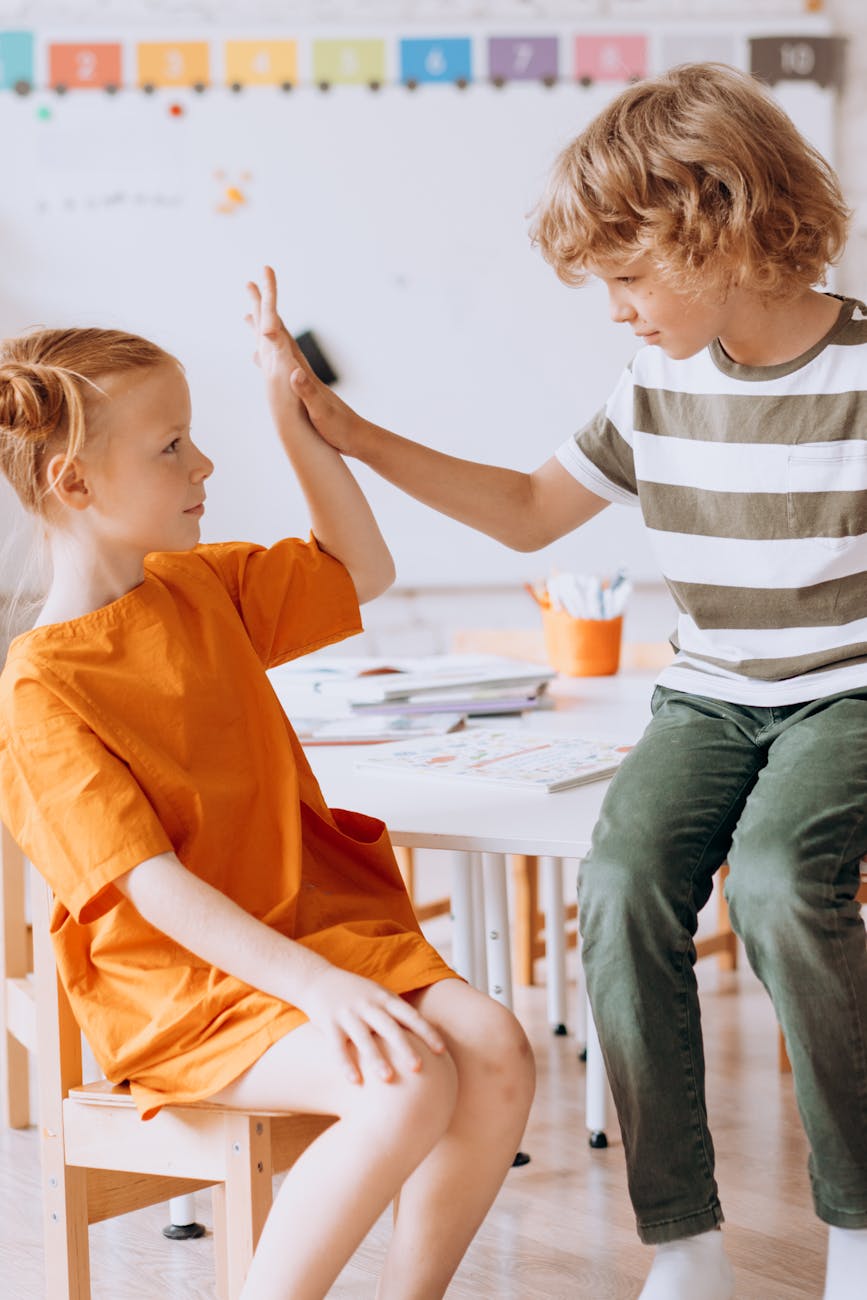
For parents of young children, children’s friendship skills can feel like the hardest part of getting ready for school. The challenge is also significant for early educators. Making friends at school isn’t just about being “nice”. It takes timing, words, and self-control. Many kids are still building these skills through early childhood social development.
The tension is real. Adults can’t step in and run the playdate. Still, leaving kids to “figure it out” can lead to hurt feelings. It may also result in repeated conflicts. If adults possess the right mindset, they can effectively teach social skills to kids. This approach helps support stronger peer connections. Such connections make school days smoother.
To make the idea practical, start with the basics. Friendship skills are simple and learnable behaviors. They help kids connect with classmates. Important skills include conversation skills, sharing behavior, and inclusion in play.
Conversation skills mean greeting, taking turns talking, and asking a question. Sharing behavior is using words to trade, wait, or offer a turn. Inclusion in play means observing who is left out. Invite them into the group. This builds positive peer relationships. These relationships can support mental health.
Think of these skills like a three-part toolkit. A child says, “Hi, want to play?” shares the blue truck for one minute, then adds, “You can be the driver too.” Those small moves create the critical social skills kids lean on all year.
Friendship skills, conversation, sharing, and inclusion, grow fastest when kids can practice them in low-pressure moments. Try these simple activities at home and out in the world to build social understanding and confidence.
Habits take the pressure off “teaching” social skills because kids get frequent, predictable chances to practice. For parents and educators using simple kindness-themed materials, these routines transform quick moments into steady coaching. This coaching supports school success over time.
Q: How can I encourage my child to practice sharing and including others in everyday situations without feeling overwhelmed?
A: Keep it tiny and predictable: one short turn, then a break. Offer two simple choices such as “Do you want to share the blue block or the red one?” and praise any attempt. Use a low-stakes kindness script: “You can have a turn after me,” or “Want to play with us?”
Q: What are some simple ways to model positive conversation skills at home that help my child make friends?
A: Let your child hear you use “notice and ask” talk: “I saw you built a tower. How did you do it?” Practice one friendly opener at dinner, then one follow-up question. Keep it playful, since a natural, motivating environment helps kids absorb social language.
Q: How do I help my child gain confidence in social settings when they feel shy or uncertain?
A: Rehearse a tiny plan before you arrive: one wave, one “Hi,” then find a job like handing out napkins. Remind them that bravery can be small, and staying kind matters more than being “popular.” Many kids build stronger connections when they help others up, not when they push them down.
Q: What strategies can I use to coach my child through making and keeping friends without adding pressure or stress?
A: Swap lectures for short coaching moments right before play: “Your goal is one kind question.” If something goes wrong, guide a repair: “I’m sorry. Can I try again?” End with one win you noticed so they leave feeling capable.
Q: How can I create fun, personalized invitations with my child to invite friends over and make socializing easier?
A: Choose a low-pressure playdate goal together like “build one LEGO thing” or “draw one picture for each other.” First, add your child’s name. Next, include a clear start and end time. Finally, pick one simple activity so expectations feel safe. Those interested in free print out invitations can keep it simple. Add a friendly line they can practice saying: “I’d really like you to come.”
It’s tough to watch a child want friends. They get stuck on what to say, how to join in, or how to recover after a rough moment. A steady, low-pressure approach makes social growth feel doable. Name a few key friendship skills and practice them calmly. Keep expectations realistic. Over time, kids who keep applying social skill strategies handle conflicts better. They reach out more and nurture lasting peer relationships. These relationships support school success and well-being, bringing long-term friendship benefits.
Small, steady practice builds confident kids and lasting friendships. Choose one next step this week: pick a simple playdate goal and rehearse one friendly script. That consistency builds parental confidence in social coaching and helps kids grow resilience, belonging, and connection for years.
Cassidy Gibson-Cooper and Tim-Gibson Cooper founded Parenting Central to share practical advice with modern parents. They are proud parents to Sam and co-parent Autumn with Cassidy’s former partner, and hope to create a supportive space for families to connect and learn.
Discover the magic of learning with Rainbow Rabbit, explore a world where every child’s imagination is celebrated.