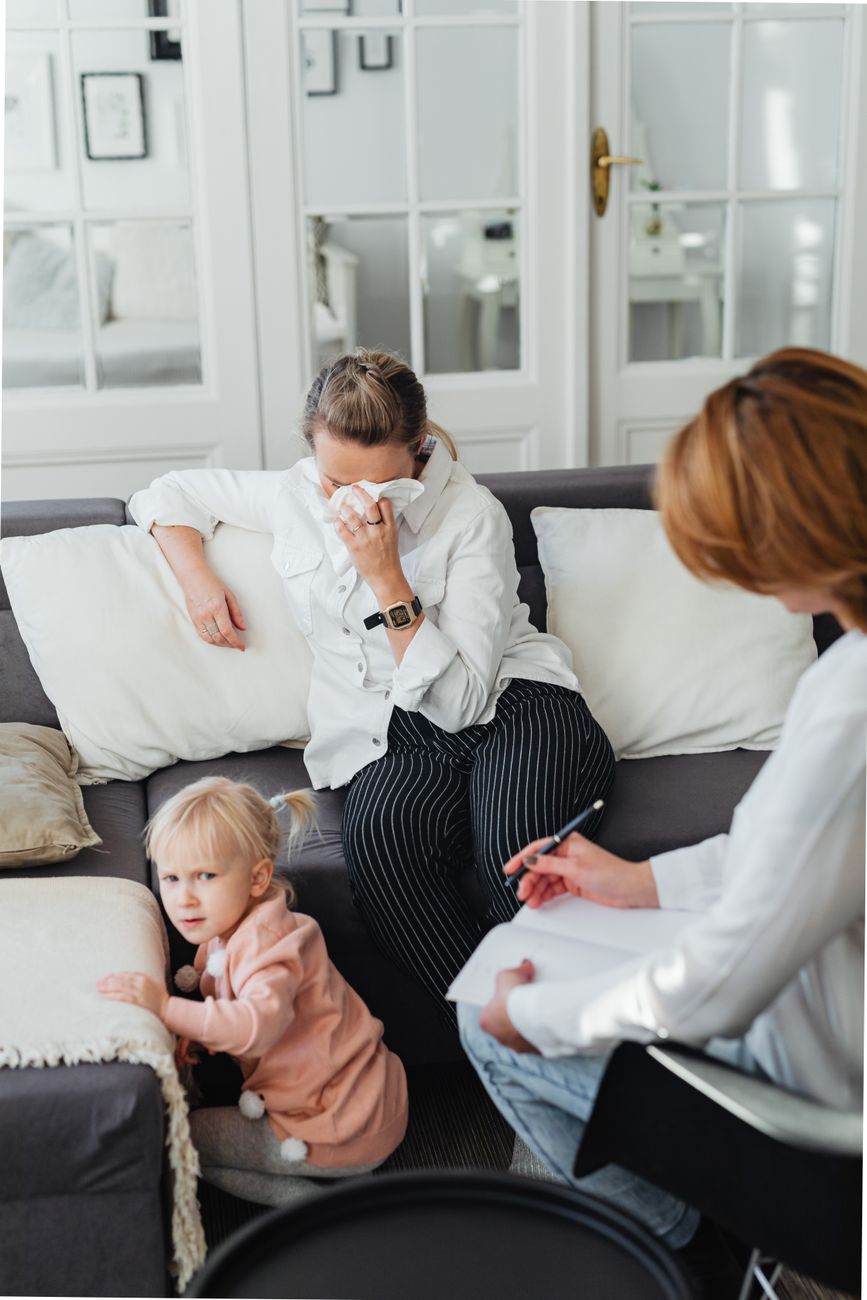
Parental anxiety is more common than most families admit. Busy parents with anxiety often work hard to keep the family moving. At the same time, they carry a steady undercurrent of worry.
The tough part is that anxiety rarely stays contained. It can leak into routines, tone, and expectations. Those parental anxiety effects can shape children’s emotional well-being in small, repeatable ways.
When this becomes the household’s normal, family mental health can feel tense even on “good” days. Kids may absorb stress without anyone naming it. Learning to spot anxiety in families brings clarity. It also shows why the pattern matters.
The parent-child anxiety connection is simple. Stress can travel through a home, often without anyone meaning to pass it on. Emotional contagion can look like a parent’s tension, rushed voice, or constant checking. Over time, that can turn into a child’s clinginess, irritability, or stomachaches.
Many adults experience constant worry or fear. And kids can mirror that alarm in their own way.
This matters because anxiety can become a family reflex. It can shape mornings, homework, and bedtime even when nothing is “wrong.” When you can name signs of parental anxiety, you can also spot triggers early. Triggers include deadlines, news, conflict, or overscheduling.
With anxiety affecting 1 in 12 children, noticing patterns is a practical form of protection.
Picture a parent who is worried about work. They start reminding everyone five times to hurry. A child who hears that urgency daily may begin asking repeated “what if” questions. They may also melt down during transitions. The trigger was time pressure. But the habit became the soundtrack.
Once you know the pressure points, boundaries and support systems can protect family time more reliably.
When your stress is coming from work, the anxiety loop can feel hard to break. The pressure follows you home. If your current job is a major driver of anxiety, improving your career prospects can help. It can reduce that constant strain over time.
Online degree programs can make that step more doable. They let you keep working full-time. They also help you stay present for family obligations while you study. Flexibility matters. So does choosing an institution with strong support systems. Support is often what helps learners stay steady when life gets busy.
Look for three kinds of support. Emotional support means encouragement and connection. Practical support means clear guidance on requirements and logistics. Workplace support means realistic expectations while you juggle responsibilities.
You’ll also benefit from proactive planning and university resources. This way, challenges don’t pile up and derail your progress. Help for working students can show what that support looks like in real life.
With the right support in place, you can bring the same calm structure back into home life. Start with simple habits that steady everyone day to day.
When anxiety is in the air, kids feel it. They feel it even when we’re trying hard to hide it. These small, repeatable home habits can lower the volume for everyone. They also build steady family resilience over time.
Q: What are common signs my anxiety is affecting my child?
A: Look for shifts like more irritability, clinginess, sleep trouble, or avoidance of school or activities. Kids may also start “checking” on you. They may ask for repeated reassurance. Track when symptoms spike for one week. That helps you spot patterns and triggers.
Q: Why does untreated parental anxiety matter for kids?
A: Kids often learn what to fear and how to cope by watching us. Research showing parental anxiety predicted child anxiety supports this idea. Ongoing, unaddressed stress can ripple through the family. The good news is that changing your coping skills can change what your child experiences.
Q: When should I consider therapy for my anxiety?
A: Get help if worry disrupts sleep, patience, relationships, or daily routines for more than a few weeks. Therapy is also a strong next step if you feel stuck. That includes reassurance-seeking, spiraling thoughts, or frequent panic.
Q: What therapy options work for anxiety, and how do I choose?
A: Many people benefit from CBT, exposure-based therapy, or acceptance and commitment therapy. Some also use medication alongside therapy. Ask a provider how they measure progress. Ask what homework looks like. Ask whether they treat parents and families.
Q: Can my child need support even if they seem “fine”?
A: Yes. Some kids mask anxiety through perfectionism, headaches, stomachaches, or being “extra good.” It may help to remember that 15% to 20% of children experience anxiety disorders. Asking questions early is a protective move, not an overreaction.
When parental anxiety shows up, it can quietly steer routines and reactions. It can also shape a child’s sense of safety. The way forward is a positive parenting mindset. Pair honest awareness with support and self-care. Treat anxiety with care, not secrecy or self-blame.
Over time, that approach helps home feel more predictable and connected. Calm grows one choice at a time. Choose one next step today. Schedule a first conversation with a therapist or trusted support person. Let that single action restart momentum. That’s how hope for anxious families becomes daily stability and stronger relationships.
Alyssa Strickland created millennial-parents.com for all the new parents on the block. Alyssa believes the old adage that it takes a village to raise a child, but she also thinks it takes a village to raise a parent! Millennial-Parents is that village. Today’s parents can be more connected than ever and she hopes her site will enrich those connections. On Millennial-Parents, she shares tips and advice she learns through experience and from other young parents in three key areas, Education, Relationships, and Community.
Discover the magic of learning with Rainbow Rabbit, and explore a world where every child’s imagination is celebrated, order the Rainbow Rabbit Educational Program today!