TLDR: The school-to-summer break transition shift trips up most families not because kids don’t love summer — but because the routine disappears overnight. This guide covers how to rebuild a flexible summer structure, reduce screen time battles, and fill the days with creative, connection-building activities your kids (ages 3–9) will actually want to do.
The excitement is real. So is the chaos.
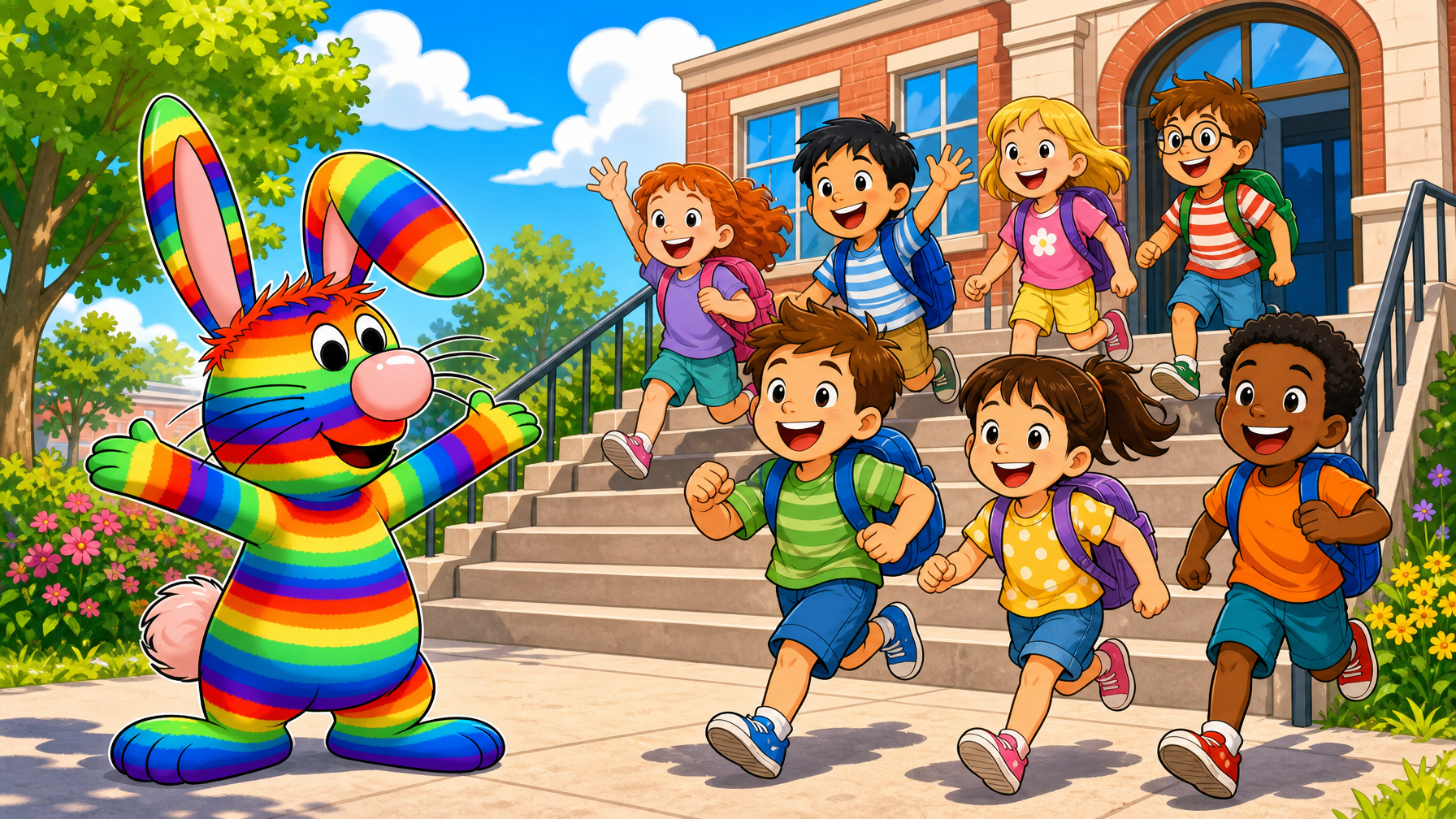
When the school bell rings for the last time, kids don’t just lose their schedule — they lose their whole framework for the day. Meals, movement, social interaction, mental engagement: all of it shifts at once. Columbia University pediatrician Dr. Amanda Esteves puts it plainly: “Time away from school schedules can be hard for children and can negatively impact their behavior, emotions, and health.” (Columbia Doctors)
The result? More meltdowns. More boredom complaints. More screen time by default.
The good news: a little intentional structure at the start of summer pays dividends for the whole season.
The goal isn’t to recreate the school day. It’s to anchor the day with a few predictable touchpoints so kids know what to expect.
A simple framework that works:
You don’t need a minute-by-minute calendar. You need enough predictability that your child doesn’t ask “what are we doing?” 40 times before 10am.
Chapel Hill Academy recommends easing out of the school routine gradually rather than flipping to full freedom on the last day of school. “Creating a smooth transition doesn’t mean replicating the school day at home — it means establishing a flexible routine that balances rest, play, and purposeful activity.” (Chapel Hill Academy)
The biggest mistake parents make: banning screens without replacing them with something equally engaging. Kids don’t need less stimulation — they need different stimulation.
Here are activities proven to hold attention for Pre-K through Grade 3 kids:
1. Storytelling Coloring Books
A coloring book with a real story inside does double duty: it develops fine motor skills and focus while feeding the imagination. Kids who are engaged in a narrative stay at the table longer and ask to come back. This is one of the highest-return screen-free investments for parents of young children.
2. Outdoor Scavenger Hunts
Give kids a simple list — find something red, something bumpy, something alive — and watch structured play extend naturally into creative exploration.
3. DIY Art Projects
Watercolors, collage, stamping with cut vegetables: the messier the better for this age group. The process matters far more than the product.
4. Backyard Science
Growing a bean sprout in a cup, watching ice melt at different rates, measuring rainfall — simple cause-and-effect experiments give kids the same satisfaction as a screen game without the dopamine loop.
5. Listening to Audiobooks or Stories
A great story read aloud — even by a recording — pulls young kids into a world that fires the imagination far more actively than passive video.
According to the Child Development Institute, encouraging moderate use of media “gives children more opportunities for interactions and experiences that are essential for healthy development.” (Child Development Institute)
Summer learning loss is real. Studies consistently show that kids can lose up to two months of academic progress over summer break — particularly in reading and math. But keeping kids academically sharp doesn’t require worksheets or tutoring.
Storytelling and coloring together hit multiple developmental targets at once:
Twenty minutes of coloring a story-based book does more developmental work than most parents realize. And it’s genuinely fun — which means kids ask for it instead of fighting you for a tablet.
Mornings:
Evenings:
LEARN Behavioral notes that most children, especially those who thrive on structure, benefit significantly when summer routines are introduced deliberately rather than left to chance. (LEARN Behavioral)
Rainbow Rabbit is a storytelling coloring book character with a simple but powerful message: being different is your greatest strength.
For kids ages 3–9 navigating their first summers away from the structure of school — when friendships shift, comparisons happen, and the social dynamics of the classroom disappear — that message lands differently. Without a teacher to guide social interaction, kids encounter more moments of feeling left out, misunderstood, or unsure of themselves.
The Rainbow Rabbit Storytelling Coloring Book pairs that story with the act of coloring — so kids don’t just hear the message, they sit with it, illustrate it, and make it their own. Parents report that the coloring sessions naturally open conversations about kindness, differences, and what it feels like to be accepted.
This summer, put the book on the kitchen table. You might be surprised what comes up.
Summer doesn’t have to be a two-month countdown to September. With a light structure, a few reliable screen-free activities, and a story worth coloring, it becomes something kids and parents look forward to together.
The transition is easier than it looks — it just needs a little intention at the start.
Discover the magic of learning with Rainbow Rabbit, and explore a world where every child’s imagination is celebrated—order the Rainbow Rabbit Educational Program today!
Rainbow Rabbit is a children’s storytelling coloring book brand helping kids ages 3–9 develop empathy, confidence, and resilience through creative play. Find it on Amazon.